
"mineral flavor coffee"
4000 article(s) found

Full aroma, fine body, Guatemala Inchter Estate coffee flavor, taste, production characteristics
Rich volcanic soil, low humidity, plenty of sunshine and cool nights are characteristic of this region. The valley is surrounded by three volcanoes: Agua, Fuego and Acatenango. Ash from the eruption enriched the soils of Antigua with minerals. Volcanic pumice can maintain humidity and overcome the relatively low rainfall in Antigua.

Introduction to the Fine Coffee Kona Coffee Flavor Manor
Kona coffee is suitable for the right geographical location and climate. Coffee trees grow on the slopes of volcanoes, and their geographical location ensures the altitude needed for coffee to grow; the dark volcanic ash soil provides the necessary minerals for coffee. This is probably due to the fact that Kona Island is rich in volcanic black mud with moderate acidity, rich mineral content and suitable water content. And every day

Introduction to the method of describing the taste and flavor of Kenyan coffee beans
Kenya coffee bean producing country is located in the tropical monsoon area, most areas have a savanna climate, the coastal areas are hot and humid, and the plateau climate is mild. The rainy season is from March to June and from October to December, and the rest is dry season. The annual rainfall decreases from 1500 mm to 200mm from southwest to northeast. The capital Nairobi has a mild climate, with an average annual temperature of 17.7C and an annual rainfall of 1049 mm. Kenya's mineral deposits are mainly

Characteristics and attributes of coffee in eight producing areas of Guatemala
The Ekatlago Valley is 2000 meters (6500 feet) above sea level, with dense shade and unique ecology. The nearby Fuego volcano erupts, making its coarse, sandy soil rich in a variety of minerals. Temperate sea breezes from the Pacific and a seasonal climate allow coffee in this region to be dried by sunlight and processed according to traditional family methods that have been accumulated over the years. [characteristics]

Light sour Taste of Tanzania Kilimanjaro Coffee Flavor and Taste introduction to the Manor area
Tanzania is rich in mineral resources. By 2014, the major minerals identified include gold, diamond, iron, nickel, phosphate, coal and various gemstones, ranking fifth in Africa in total. Tanzania also has huge natural gas reserves. According to official data released by Tanzania, Tanzania has proven natural gas reserves of 44 trillion cubic feet, and the total reserves are expected to be at least

Description of Bolivian Coffee Flavor of refreshing Perfume introduction to Fine Coffee
There are mainly light industries such as food processing, wine making, cigarettes, textiles and so on. Mining is an important part of the Bolivian national economy. It is an exporter of mineral products and is rich in mineral resources, including tin, antimony, tungsten, silver, zinc, lead, copper, nickel, iron and so on. It has proven oil reserves of 188 million barrels and natural gas of 1.13 trillion cubic meters. The forest area is 56 million hectares. Coca is grown in Bolivia

Characteristics of Coffee from Eight Major Producing Areas in Guatemala
Elevated to 2000 meters (6500 feet), it is densely shaded and ecologically unique, with the nearby Fuego volcano erupting intermittently, making its coarse, sandy soil rich in minerals. Temperate sea breezes from the Pacific Ocean and seasonal climates allow this region's coffee to be sun-dried and processed by home-style traditional methods accumulated over the years. [Features] Acidity is obvious, dry
Characteristics and attributes of coffee in eight producing areas of Guatemala
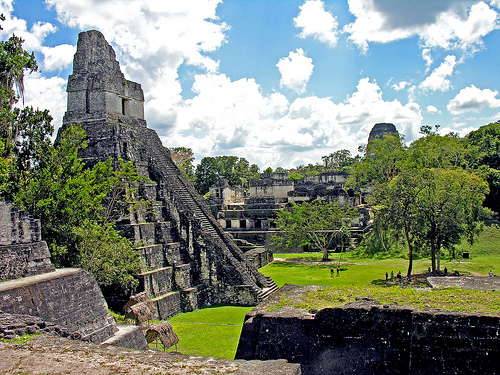
The Ekatra Valley rises to 2000 meters (6500 feet), with dense shade and unique ecology, and the nearby Fuego volcano erupts, making its coarse, sandy soil rich in a variety of minerals. Temperate sea breezes from the Pacific and a seasonal climate allow coffee in this region to be dried by sunlight and processed according to traditional family methods that have been accumulated over the years. [characteristics]

Characteristics and attributes of coffee in eight producing areas of Guatemala
The Ekatlago Valley is 2000 meters (6500 feet) above sea level, with dense shade and unique ecology. The nearby Fuego volcano erupts, making its coarse, sandy soil rich in a variety of minerals. Temperate sea breezes from the Pacific and a seasonal climate allow coffee in this region to be dried by sunlight and processed according to traditional family methods that have been accumulated over the years. [characteristics]

What are the producing areas of Guatemalan coffee beans in volcanic geology
Rising to 2000 meters (6500 feet), with dense shade and unique ecology, the nearby Fuego volcano erupts, making its coarse, sandy soil rich in a variety of minerals. Temperate sea breezes from the Pacific and a seasonal climate allow coffee in this region to be dried by sunlight and processed according to traditional family methods that have been accumulated over the years. [characteristics] obvious acidity, dry

Introduction of eight different producing areas of coffee beans in Guatemala
The Ekatlago Valley is 2000 meters (6500 feet) above sea level, with dense shade and unique ecology. The nearby Fuego volcano erupts, making its coarse, sandy soil rich in a variety of minerals. Temperate sea breezes from the Pacific and a seasonal climate allow coffee in this region to be dried by sunlight and processed according to traditional family methods that have been accumulated over the years. [special]

Hawaiian Kona Coffee Flavor introduction Hawaiian Coffee Bean Fine Coffee
The quality of the fine Kona coffee is suitable for the right geographical location and climate. Coffee trees grow on the slopes of volcanoes, and their geographical location ensures the altitude needed for coffee to grow; the dark volcanic ash soil provides the necessary minerals for coffee. This is probably due to the fact that Kona Island is rich in volcanic black mud with moderate acidity, rich mineral content and suitable water content. Parallel
Characteristics and attributes of coffee from eight major producing areas of Guatemala
The Ekatlago Valley is 2000 meters (6500 feet) above sea level, with dense shade and unique ecology. The nearby Fuego volcano erupts, making its coarse, sandy soil rich in a variety of minerals. Temperate sea breezes from the Pacific and a seasonal climate allow coffee in this region to be dried by sunlight and processed according to traditional family methods that have been accumulated over the years. [characteristics]

Full-bodied bitter coffee manor producing area flavor and taste characteristics of high-quality coffee beans
The types of rainfall can be divided into bimodal distribution and unimodal distribution. The areas with double bee rainfall include the provinces around the Lake Victoria basin, the northeast highlands, the coastal and inland northeastern. The bimodal rainfall area is characterized by two rainy seasons. The short rainy season occurs from September to December. The total rainfall can reach 200-500 mm. The long rainy season occurs from March to May.
Common sense of Coffee characteristics of Coffee in eight producing areas of Guatemala
The Ekatra Valley rises to 2000 meters (6500 feet), with dense shade and unique ecology, and the nearby Fuego volcano erupts, making its coarse, sandy soil rich in a variety of minerals. Temperate sea breezes from the Pacific and a seasonal climate allow coffee in this region to be dried by sunlight and processed according to traditional family methods that have been accumulated over the years. [characteristics]

Kenyan Coffee Producing Areas Ice Hand Brewed Kenyan Coffee Features Kenyan Coffee Taste Why Acid
Kenya's mineral deposits mainly include soda ash, salt, fluorite, limestone, barite, gold, silver, copper, aluminum, zinc, niobium and thorium. Except soda ash and fluorite, most of the mineral deposits have not yet been developed. The main minerals are barite near Tamota in the southeast, niobium in Mount Mrima and gold in Kakamega and Makalje in the southwest. Gil Gil is one of the largest diatomite mines in the world, and Magadi Lake has
Characteristics and attributes of coffee from eight major producing areas in Guatemala Guatemala
The Ekatlago Valley is 2000 meters (6500 feet) above sea level, with dense shade and unique ecology. The nearby Fuego volcano erupts, making its coarse, sandy soil rich in a variety of minerals. Temperate sea breezes from the Pacific and a seasonal climate allow coffee in this region to be dried by sunlight and processed according to traditional family methods that have been accumulated over the years. [characteristics]

How to make cold coffee _ simple, fast and best iced coffee
Professional coffee knowledge exchange more coffee bean information Please pay attention to the coffee workshop (Wechat official account cafe_style) in outdoor travel or play, suddenly want to have a cup of coffee refreshing, increase vitality how to do? Today, Qianjie Coffee will show you the fastest and easiest way to make coffee. First of all, prepare a bottle of mineral water (mineral water is usually brought with you) and drink 2 / 2 of it.

Guatemala Antigua coffee Guatemala Antigua coffee beans Guatemala coffee bean producing areas
Eight major coffee producing areas in Guatemala. Acatenango Valley?: the Acatenango Valley valley is 2000 meters (6500 feet) above sea level, with dense shade and unique ecology. Nearby Fuego volcanoes continue to erupt, making its coarse, sandy soil rich in a variety of minerals. Temperate sea breezes from the Pacific and seasons
Common important regions of Guatemala Detailed description Learn about the fine regions of Guatemala
The Akatango Valley rises to 2000 meters (6500 feet) above sea level, is densely shaded and ecologically unique, and the nearby Fuego volcano is a fault eruption, making its coarse, sandy soil rich in various minerals. Temperate sea breezes from the Pacific Ocean and seasonal climates allow this region's coffee to be sun-dried and processed by home-style traditional methods accumulated over the years. [Features]